Tibet Advocates From 20 Countries Gather in Barcelona to Rethink Strategy Against Beijing’s Growing Pressure
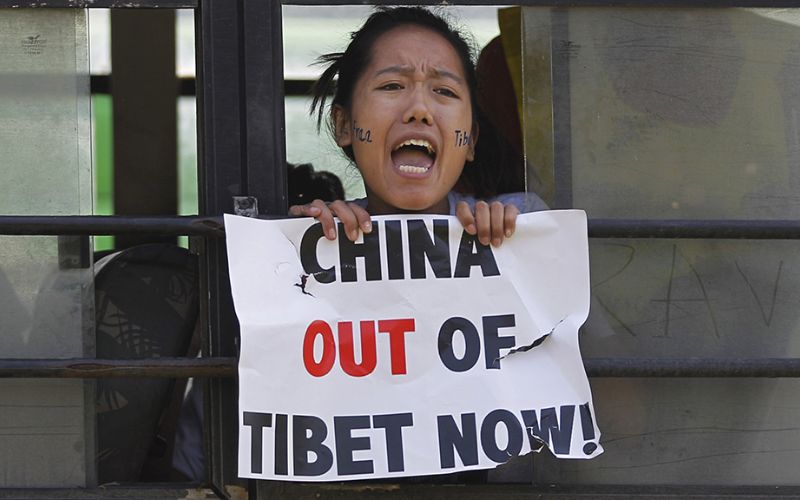
Barcelona, November 2026. Tibetan representatives and supporters from around the world met in Barcelona this month to discuss how to respond to what they describe as an intensifying campaign by the Chinese government to weaken Tibetan identity. The International Tibet Network (ITN) held its Cross-Regional Meeting on November 7 and 8, and its main conclusion was that the movement needs to coordinate better across borders.
A Global Gathering
According to the Central Tibetan Administration (CTA), 48 advocates and Tibet supporters from 20 countries across five continents attended. Over two days they compared notes on new strategies, ways to strengthen cooperation between groups, and how to scale up advocacy in their own countries.
The meeting came at a time of mounting concern among Tibetans and their allies about Beijing’s efforts to erase Tibet’s distinct cultural and national identity. Participants saw the meeting as a chance to move from sharing worries to agreeing on common approaches.
A Call for Unity and a Sharper Approach
Rigzin Genkhang, the Dalai Lama’s Representative responsible for Spain, attended the meeting, as is customary for the representative covering the host country. In her opening address, she said the Tibetan freedom movement is passing through one of its hardest periods.
Genkhang argued that long-established advocacy methods are no longer enough. China’s expanding global influence, she said, includes a deliberate effort to shape how the world understands Tibet. Countering it, in her view, requires a more strategic and unified response from Tibetans and their supporters, who need to engage with the narrative contest as well as the political one.
Different Paths, One Goal
Genkhang also addressed the differences in approach within the Tibetan movement. She reaffirmed the CTA’s commitment to the Middle Way Approach, which seeks genuine autonomy for Tibetans rather than independence. She urged advocates not to let disagreements over tactics overshadow what they share. In her view, differing strategies need not be at odds, as long as everyone stays focused on the larger cause.
She closed by thanking Tibet supporters worldwide for their sacrifices and long-standing commitment to the peaceful Tibetan struggle, and assured them that the Tibetan Administration values their work.
Why It Matters
The Barcelona meeting reflects a growing recognition among Tibet advocates that the fight now extends well beyond the Tibetan plateau. It is also being waged through media, diplomacy, and public opinion. By bringing together groups from many countries, the ITN is betting that a coordinated international movement can better withstand that pressure and keep Tibet on the global agenda.